Lesson 1 · Hiragana
あ い う え お
The five vowels. One character per screen, and by the end you read your first Japanese words.
Japanese is not written with an alphabet but a syllabary: each character is a whole syllable. Almost every syllable is a consonant plus one of these five vowels — so these five are half of every character you will ever learn.
Scroll
あ — a
-
あ
a
There is a capital A hiding inside it.
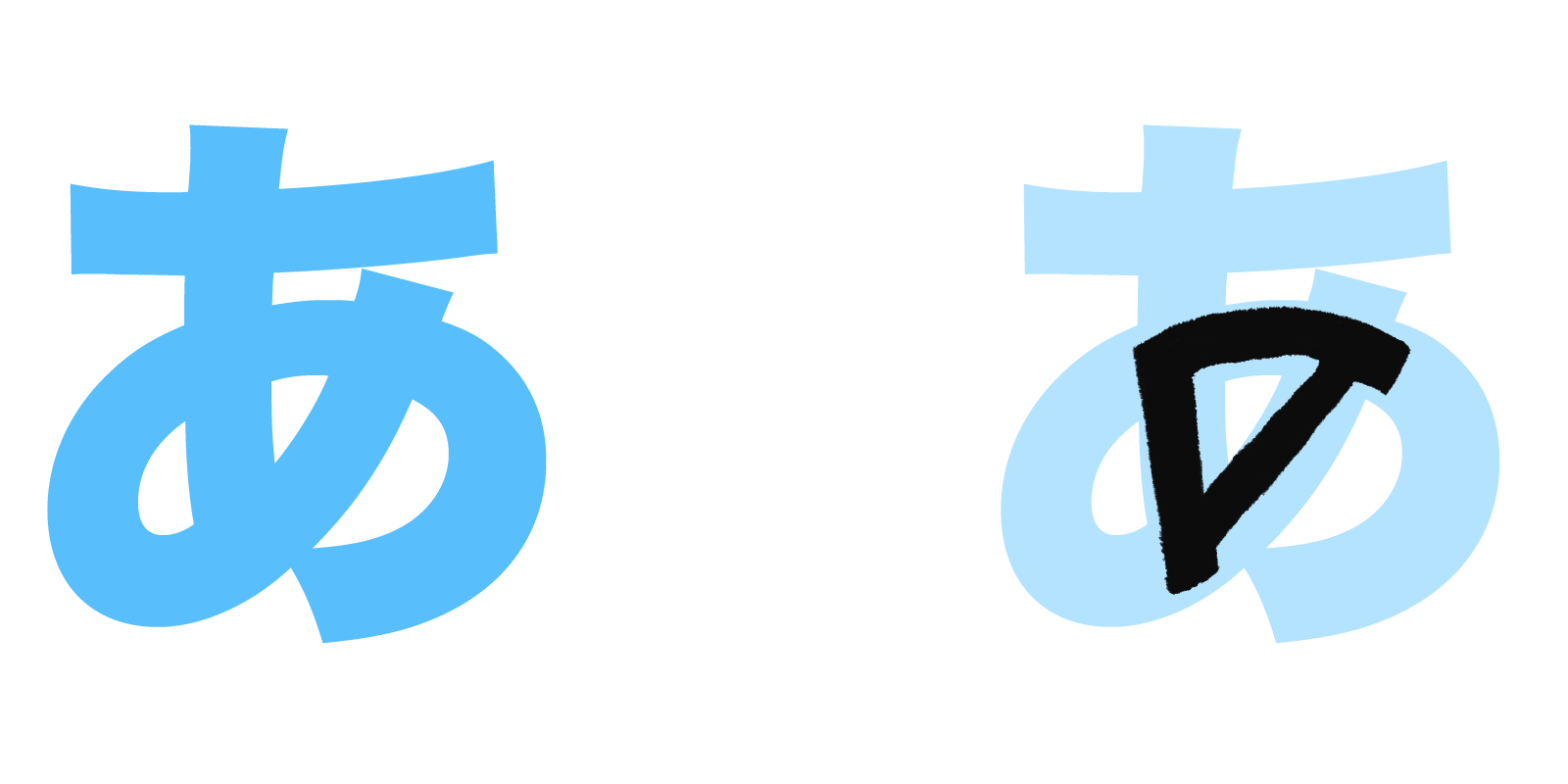
“ah”, like the realisation — also the a in car. Short and flat: Japanese vowels do not drift the way English ones do.
い — i
-
い
i
Two eels, side by side.
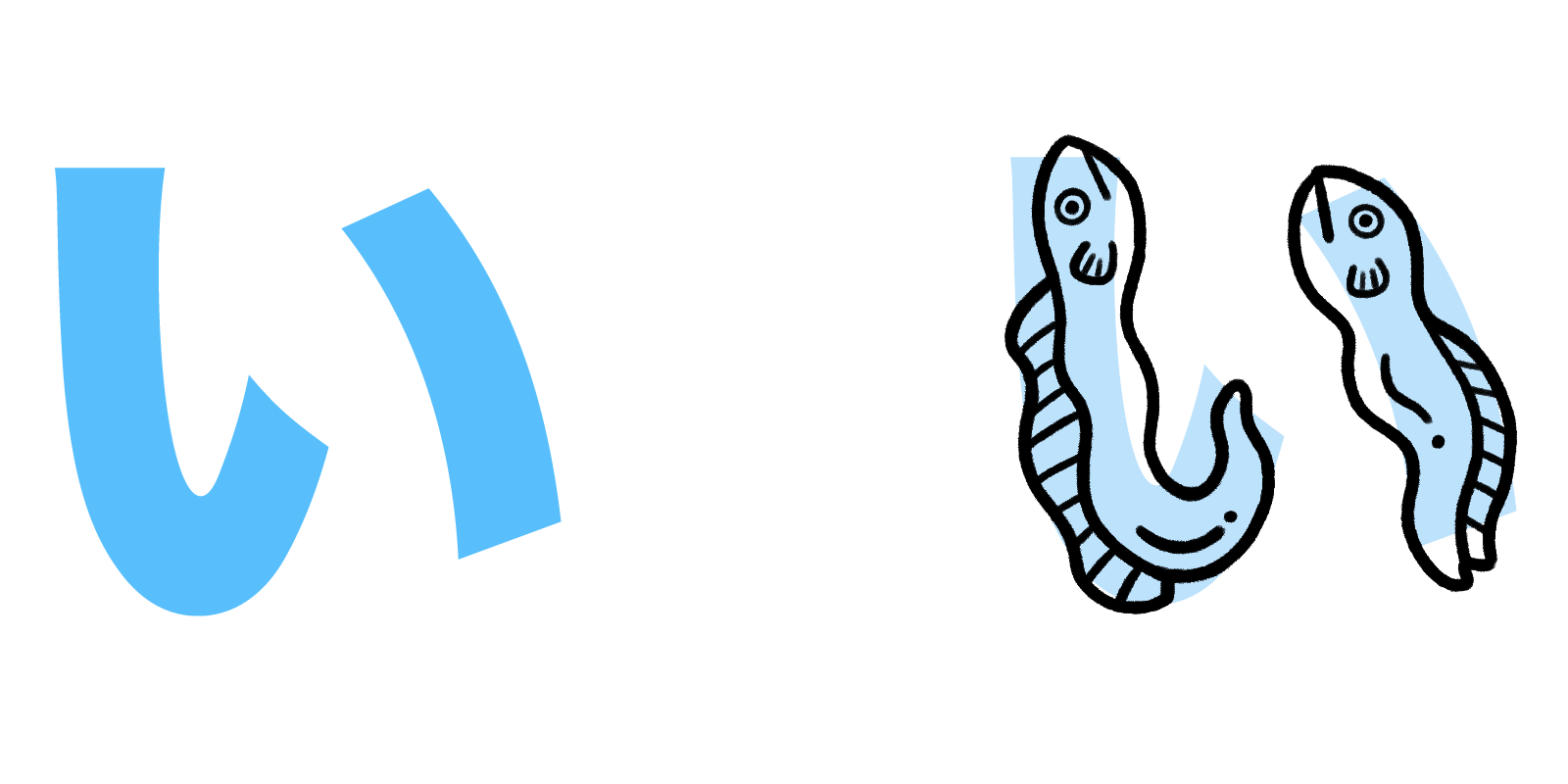
“ee”, as in eel.
Your first word
Love. Your first word, and you already have everything it needs.
う — u
-
う
u
There is a U shape right in it.
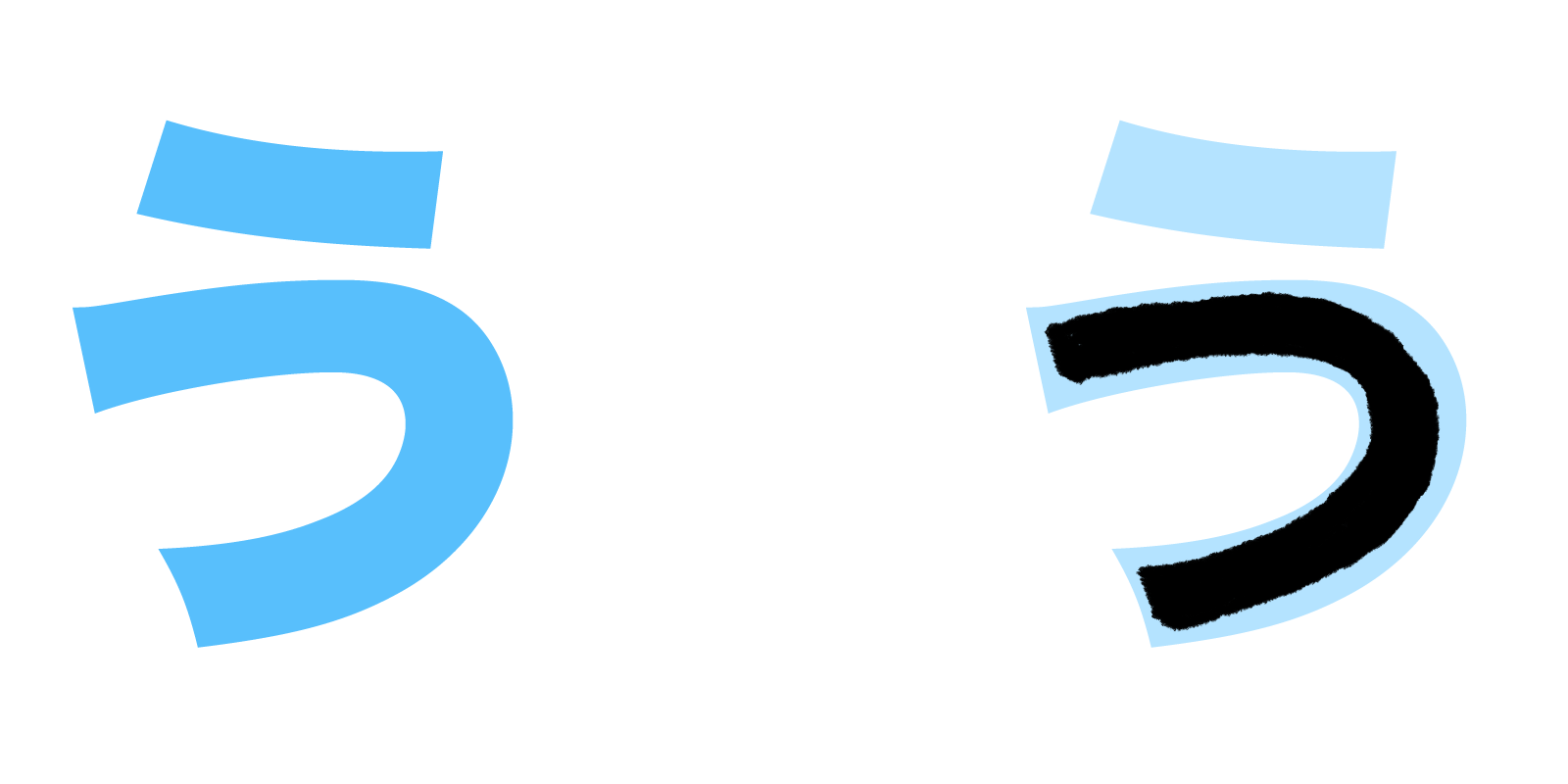
“oo”, as in ooh… ahhh — the u in UNO.
え — e
-
え
e
An exotic bird with a feather on its head.
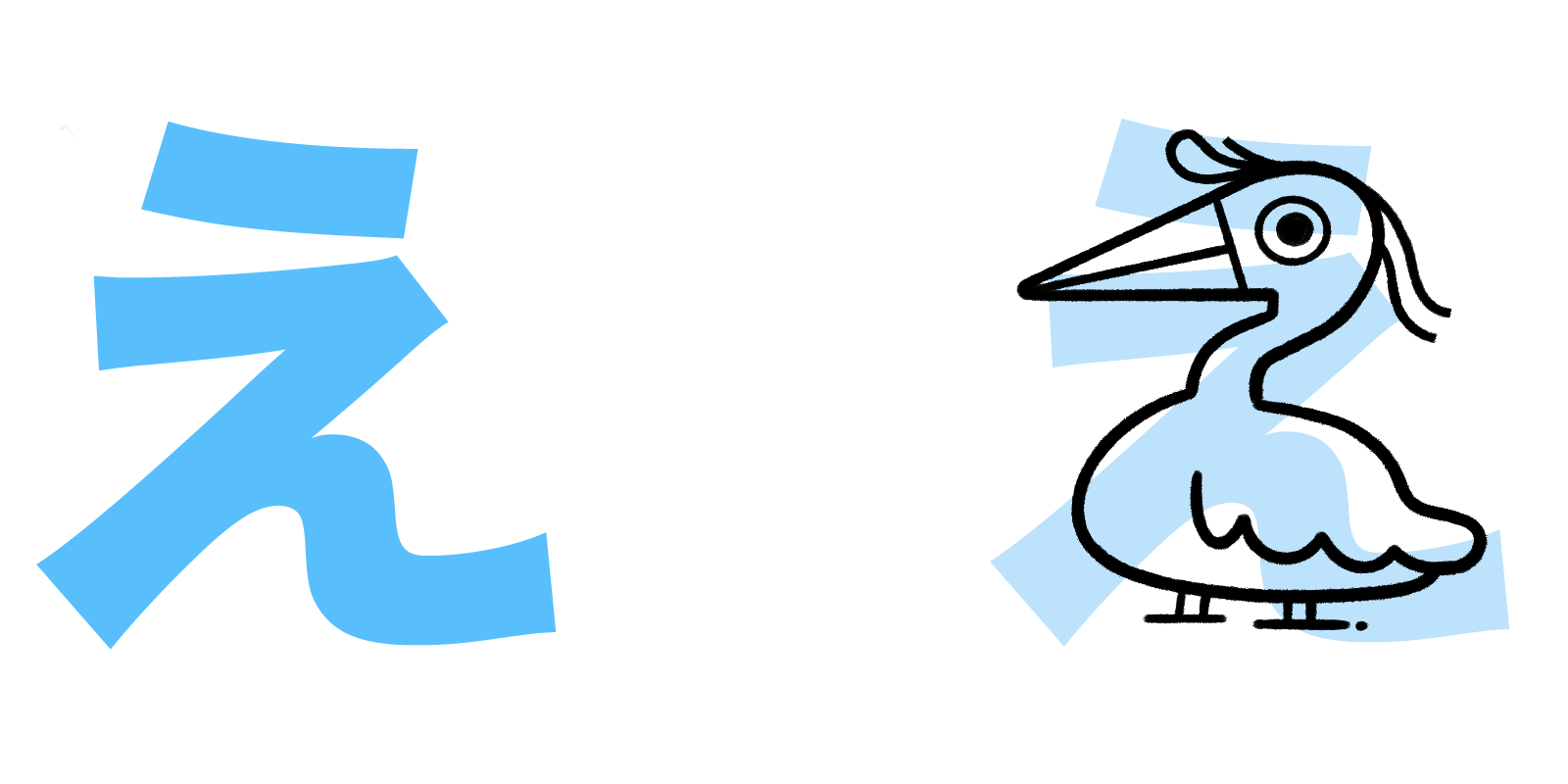
“eh”, as in egg.
Two more words
Two more: house, and above.
お — o
-
お
o
Two letter o’s in there. あ has a capital A instead — that is the tell.
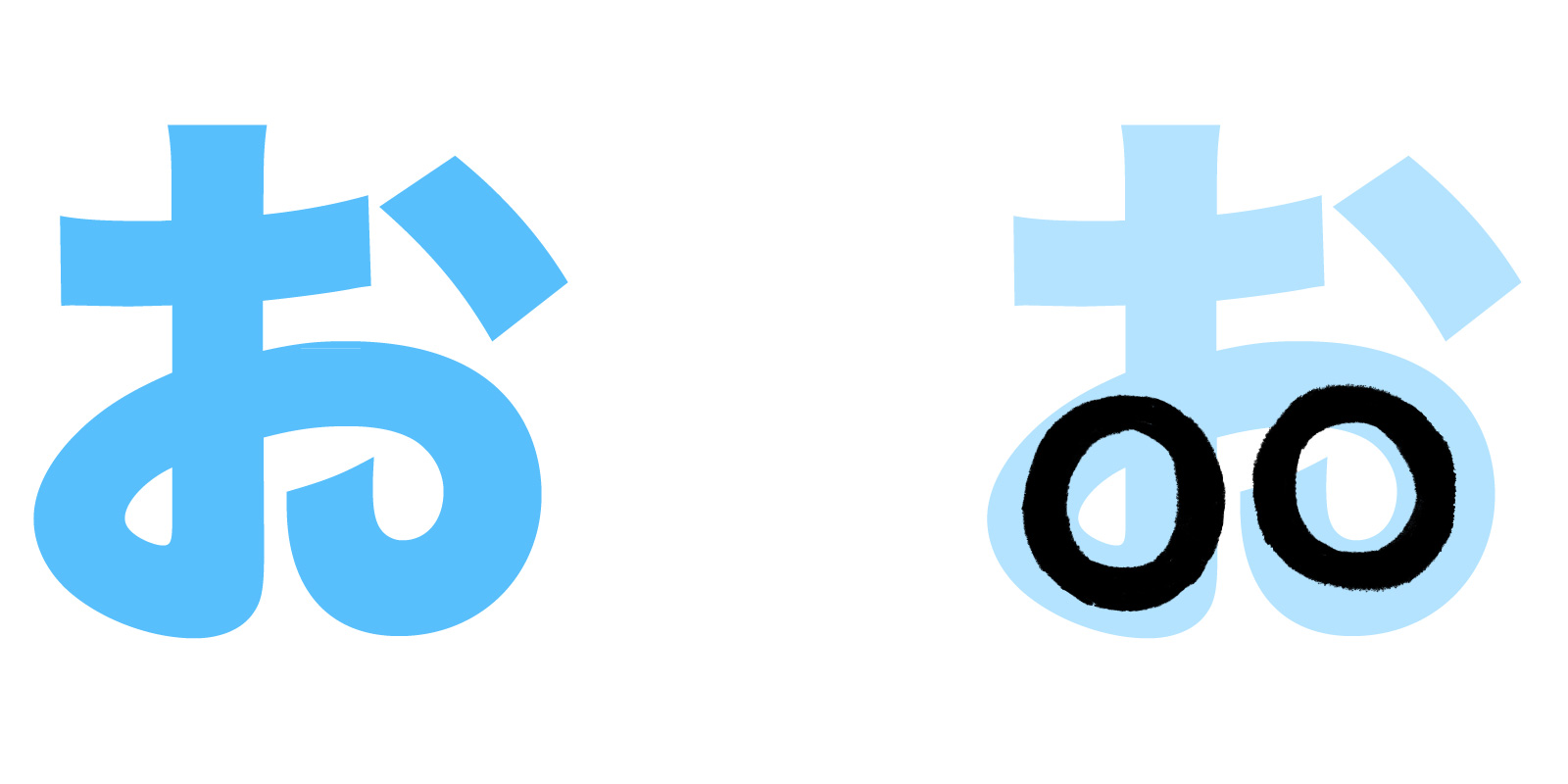
“oh”, also the o in origami. Watch it against あ: お has two o’s, あ has an A. Tofugu notes this is where most people trip up.
あ or お
The pair that trips up nearly everyone, on its own. Look for the dot.
All five together
Pair them up.
Read them cold
No options, nothing to eliminate. Type what you see.
Words
Five of them, all readable with five characters.
Spell every word
Worth knowing
This order — あいうえお — is Japanese alphabetical order. Dictionaries use it, menus use it, and every kana chart you will ever see is laid out along it.
It is also the axis the grammar turns on. Verb endings walk along this row: 書かない, 書きます, 書く, 書けば — same consonant, vowel sliding down あ→い→う→え. So these five are not five characters. They are the spine.
あお is the colour blue; あおい is the adjective. That trailing い is doing grammatical work — a whole class of Japanese adjectives ends in it.