Lesson 2 · Hiragana
か き く け こ
One character per screen, one check each. Words arrive whenever the characters exist to spell them.
Every character here is a k in front of a vowel you already know, so the sound is not the new part — the shape is. A character and the drill that asks for it are never on screen together.
Scroll
Warm up
The vowels alone, a few passes through.
か — ka
-
か
ka
A mosquito — wings, body, and the whine.
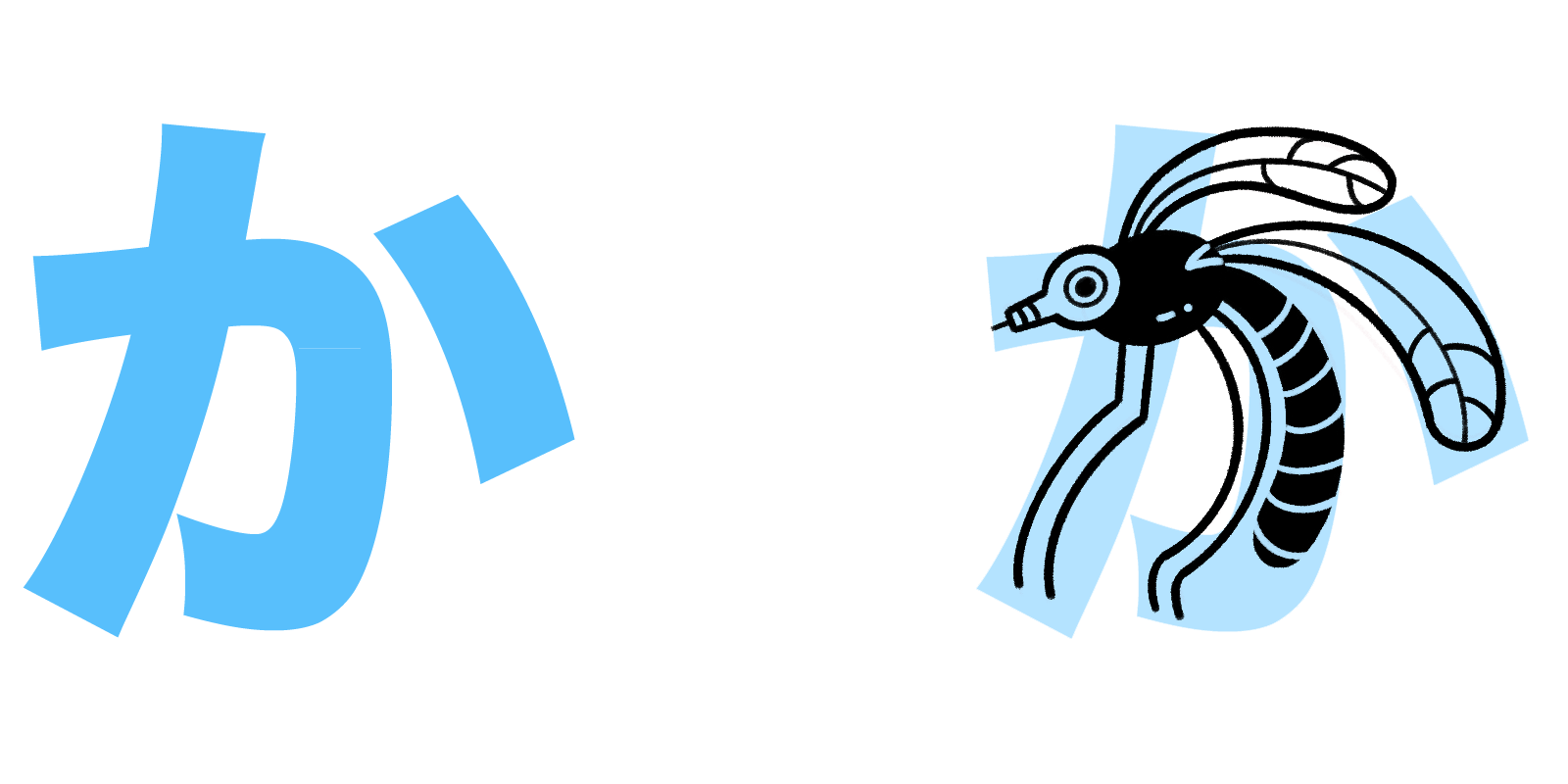
K before あ gives か. Like the “ka” in karma.
き — ki
-
き
ki
A key.
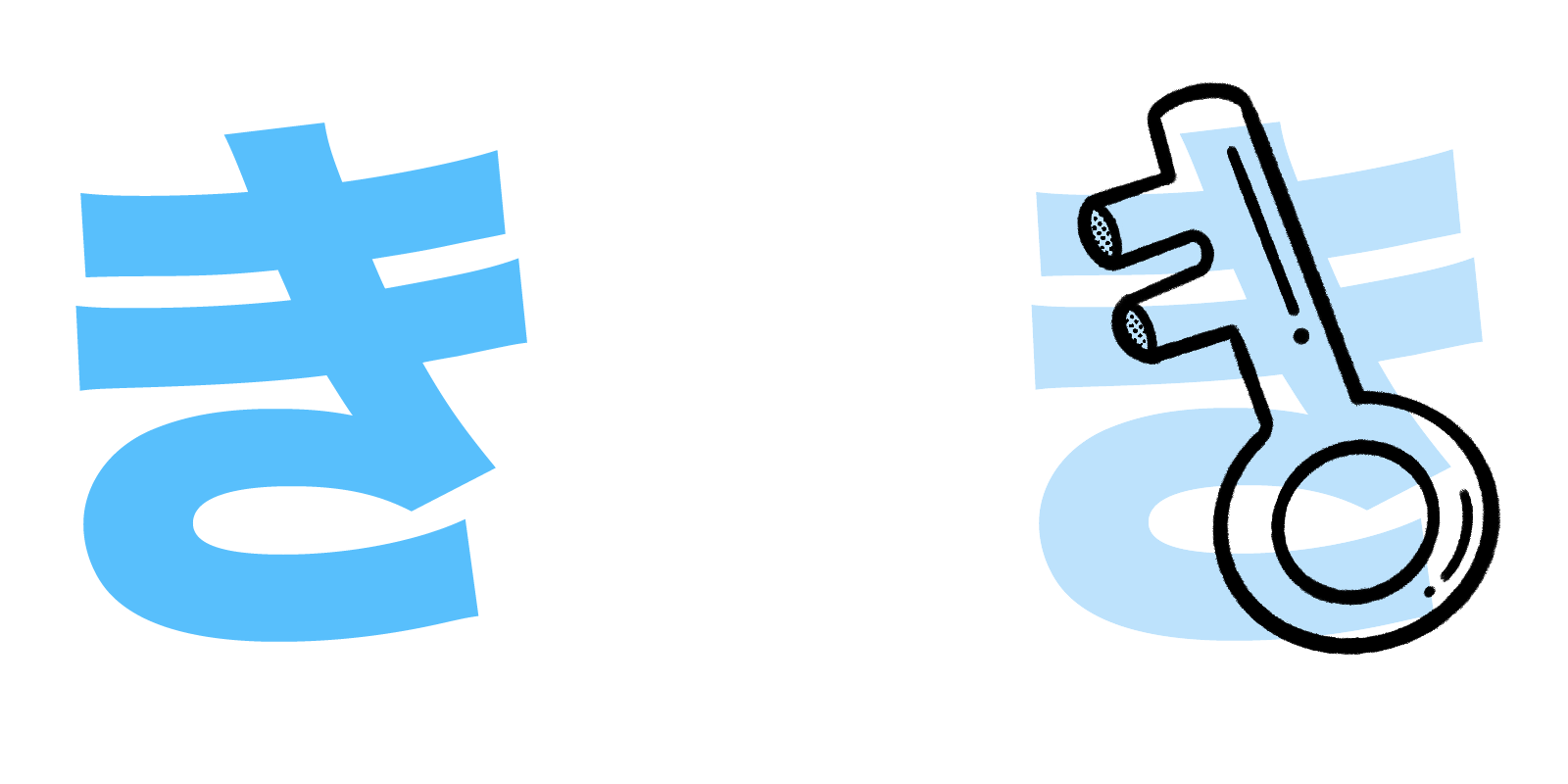
K before い gives き. Like key.
Your first word
Station. You have what it needs now.
く — ku
-
く
ku
The mouth of a cuckoo bird popping out: “ku ku, ku ku!”
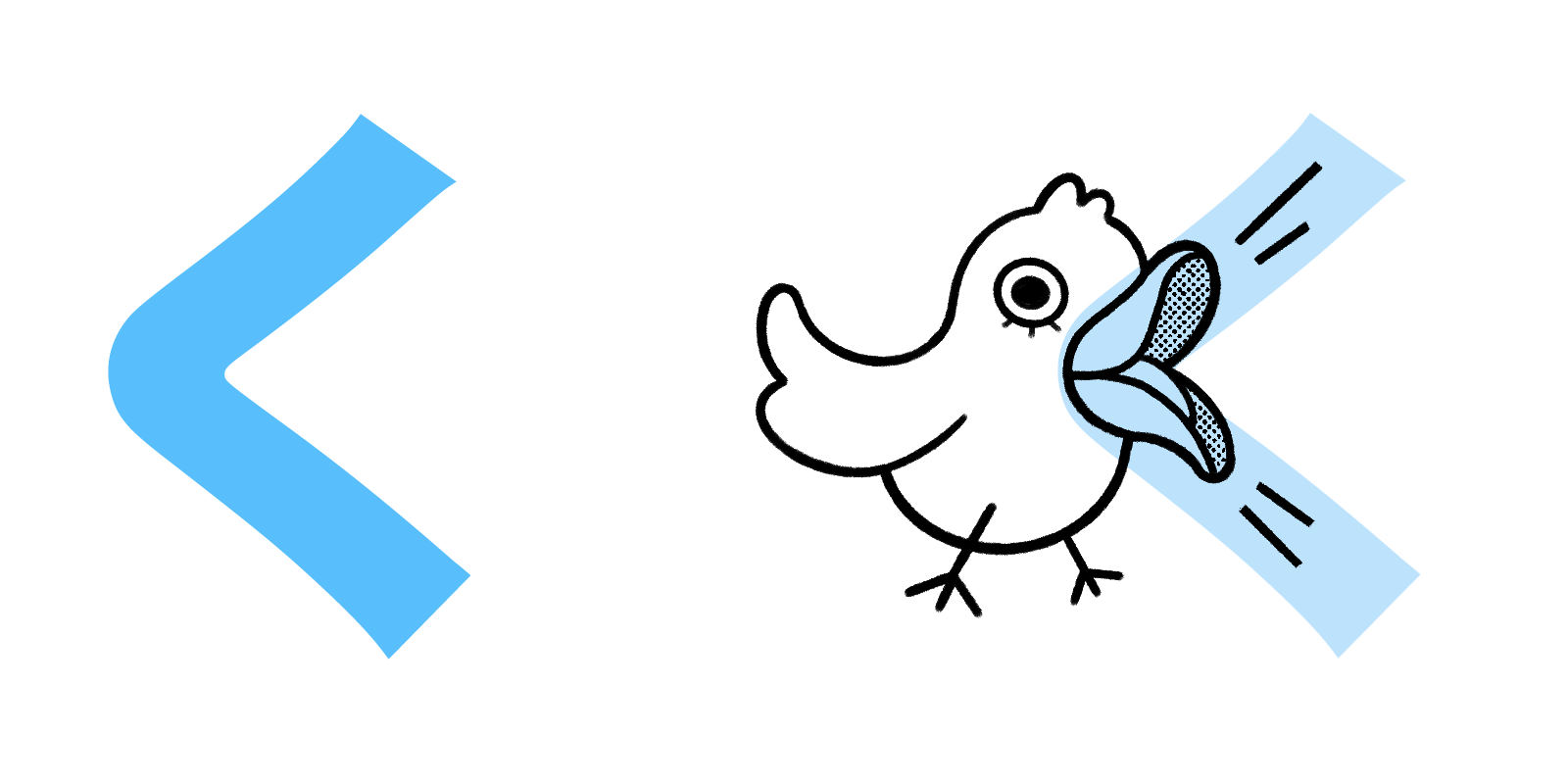
K before う gives く. Like the “coo” in cuckoo.
け — ke
-
け
ke
A strand of wiggly kelp.
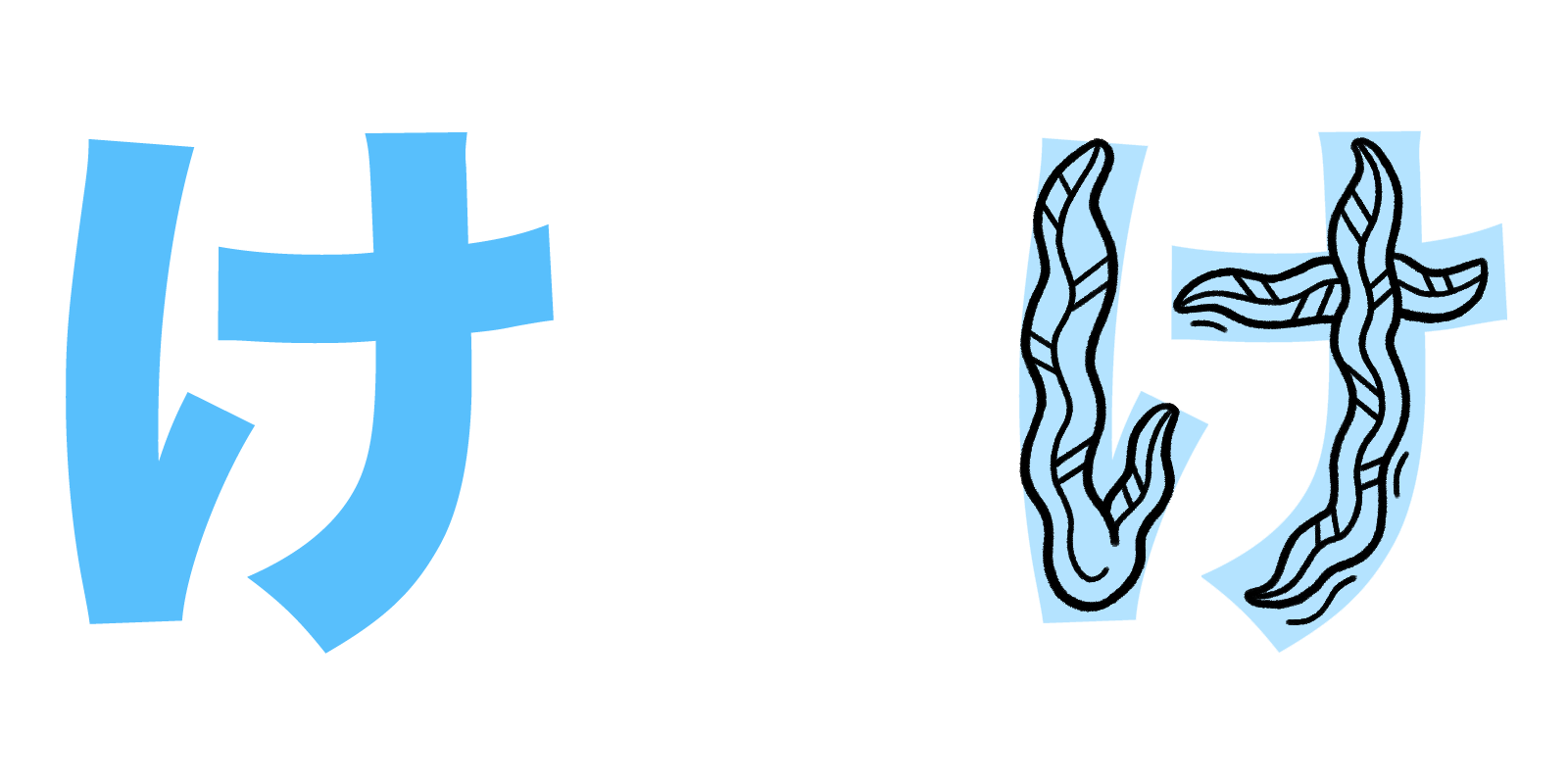
K before え gives け. Like the “ke” in kettle.
Another word
Pond.
こ — ko
-
こ
ko
A couple of co-habitation worms, happy together.
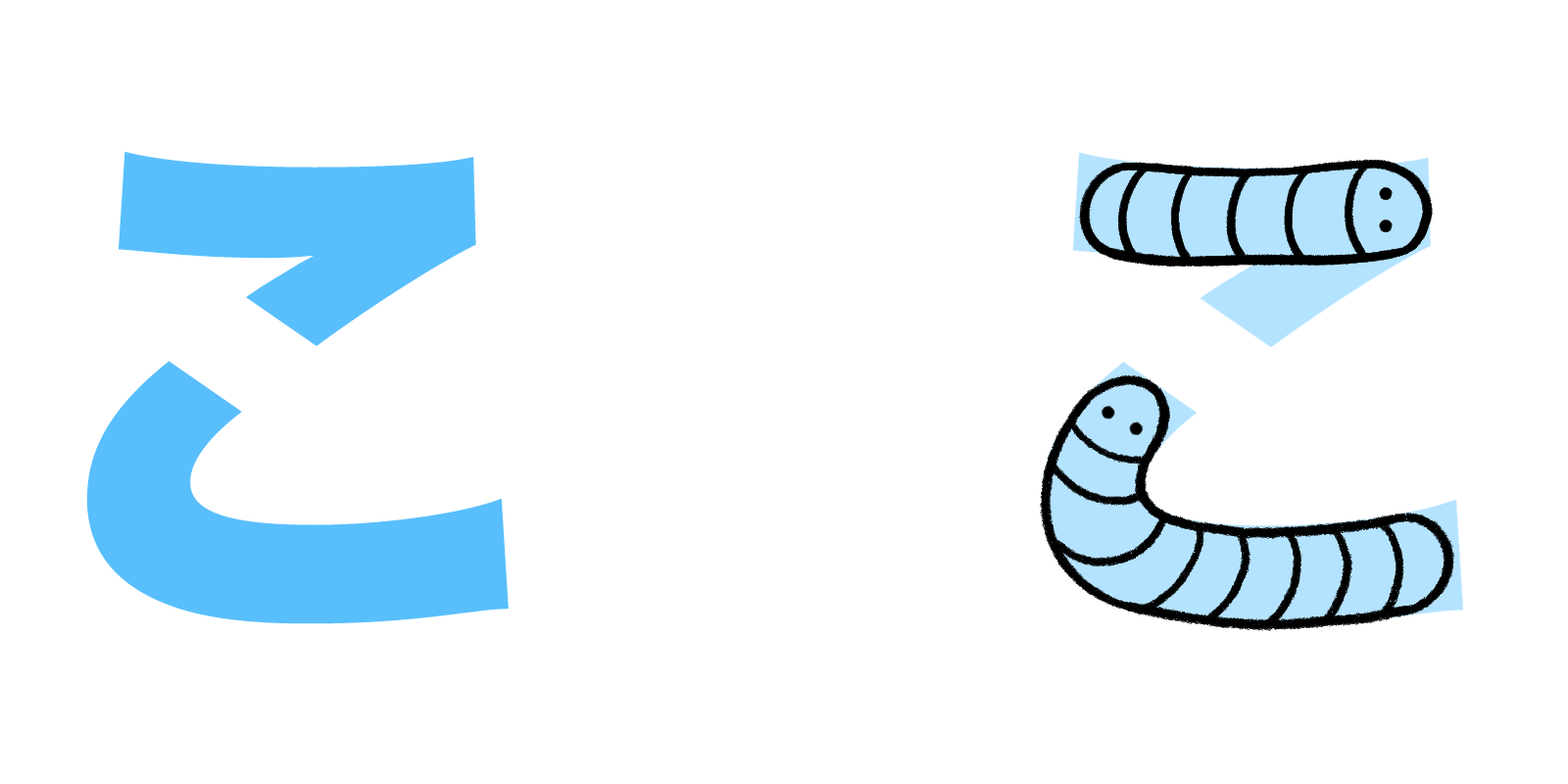
K before お gives こ. Like the “co” in cohabitating — or in coin, in British English.
One more word
Voice.
The column together
Pair them up. All five, no vowels in the way.
Read them cold
First time you are asked to read them rather than find them — no options, nothing to eliminate.
Mixed with the vowels
Words
Seventeen of them, all readable with ten characters — including かいけい, which is what you say to get the bill.
Spell every word
Worth knowing
えき is written 駅 and means station. It is the last character of every station name in Japan — 東京駅, 京都駅. You cannot read the rest yet, but you can already find the station.
かく is 書く, the verb from Lesson 1’s conjugation example. And か at the end of a sentence turns it into a question — Japanese has no question mark.