Lesson 4 · Hiragana
た ち つ て と
Two exceptions in one row — and the words start being ones you would actually say out loud.
し was the first character that broke the grid. This row breaks it twice: ち is chi, not ti, and つ is tsu, not tu. After this the exceptions are nearly done.
Scroll
Warm up
All fifteen so far.
た — ta
-
た
ta
A fork, a taco, and a lime garnish. Eating a taco with a fork is odd, but there it is.
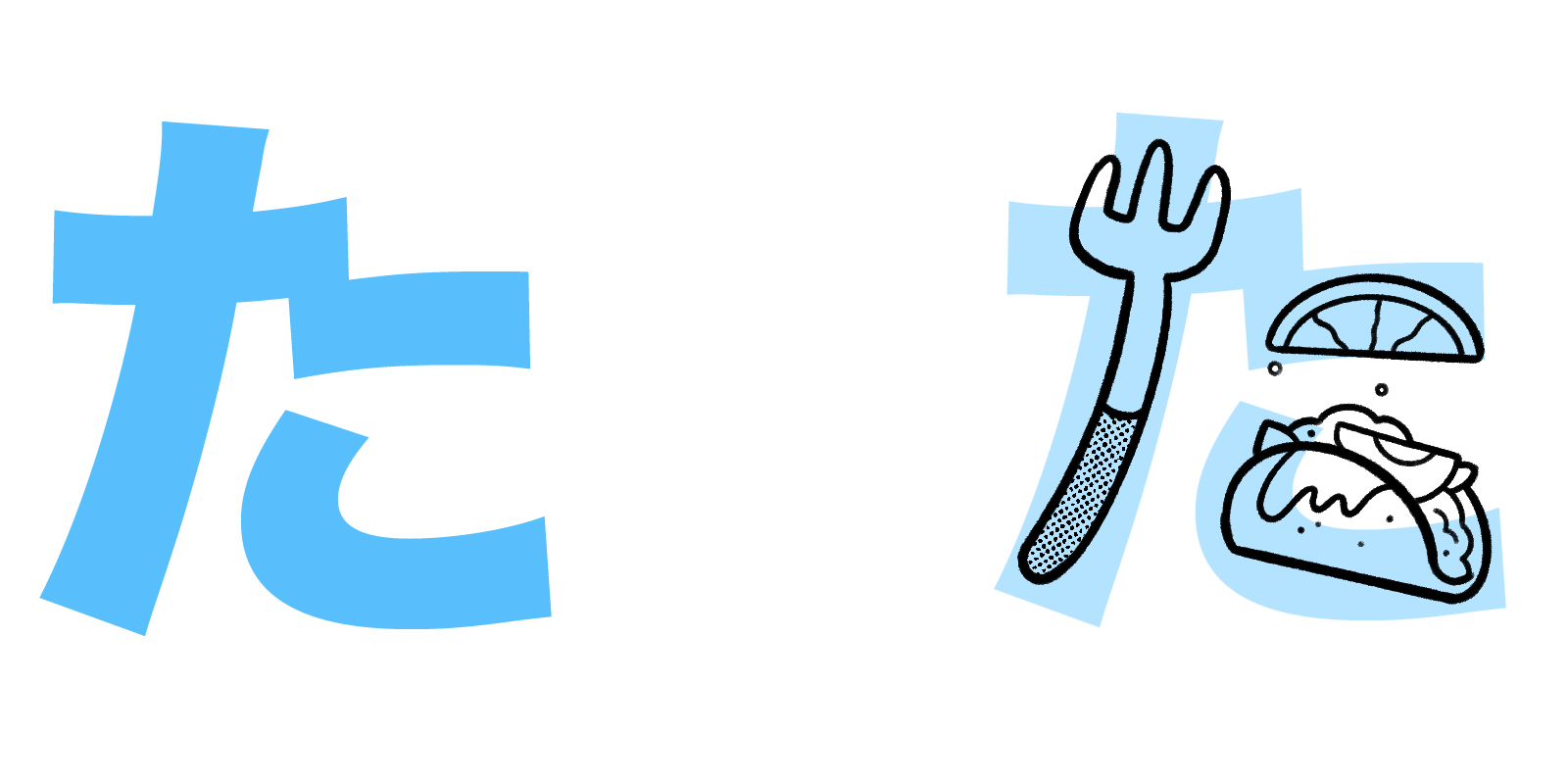
T before あ gives た. Like the “ta” in taco.
A word worth having
Expensive — also “high”. The word you will think when you see a price.
ち — chi
-
ち
chi
The forced smile you make when someone tells you to say cheese for a group photo.
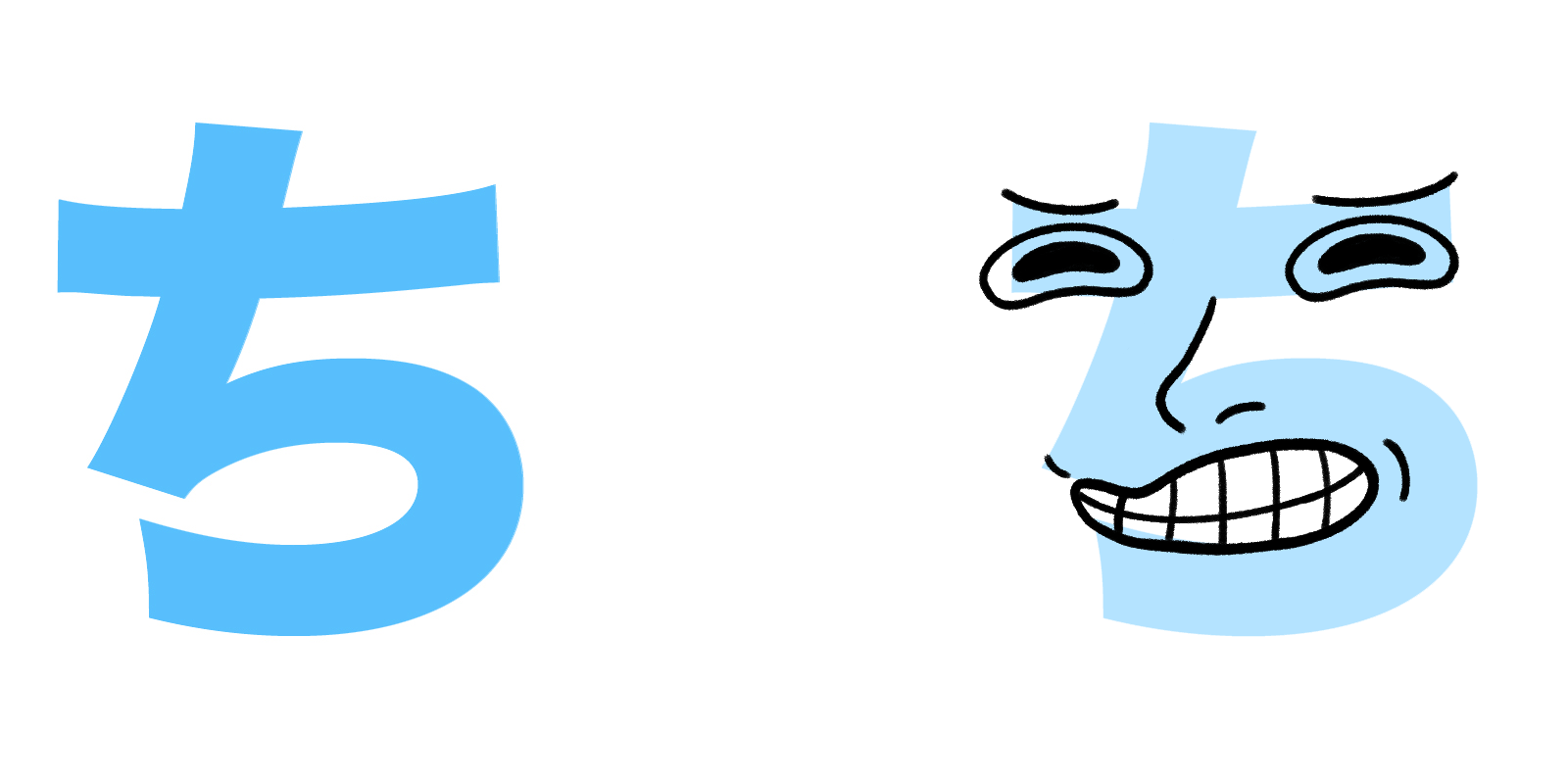
“chee”, as in cheese. Exception: the grid would predict ti; Japanese has no such sound, so this slot holds chi.
さ or ち
These two are near-mirrors. さ opens to the left, ち to the right — and only ち has the long curved tail.
Near
Near, close by.
つ — tsu
-
つ
tsu
The swoosh of a big wave — a tsunami.
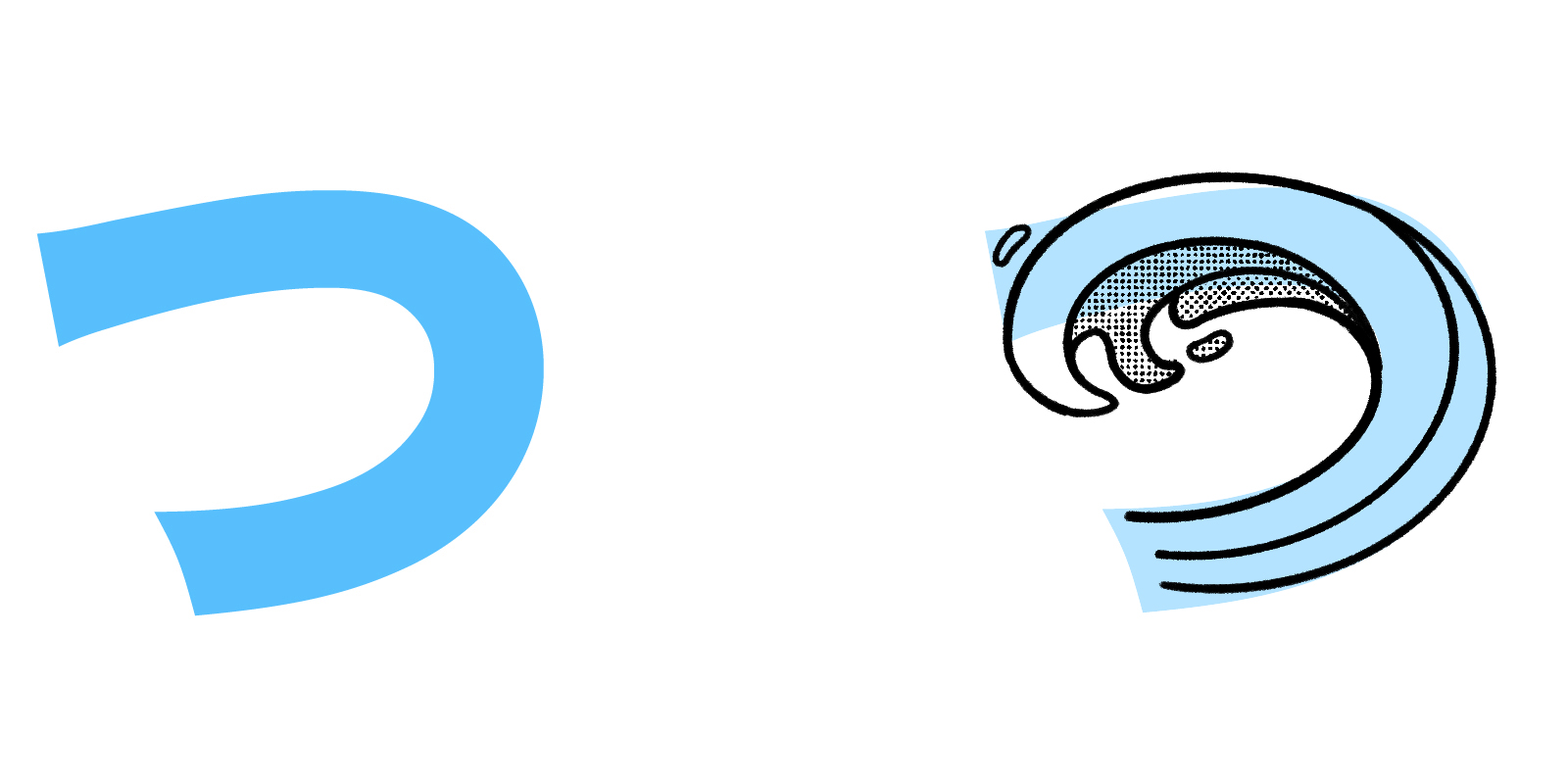
“tsu”, as in tsunami. Exception: the grid would predict tu. That one syllable is why the word is tsunami and not tunami.
う or つ
Tofugu flags this pair itself, and the tell is good: う wears a hat — the little stroke on top. つ is bare.
Shoes
Shoes. Worth knowing before you visit a house, a temple, or some restaurants.
て — te
-
て
te
An old-school hand-held telescope. And “hand” in Japanese is て — so it is a te-held telescope.
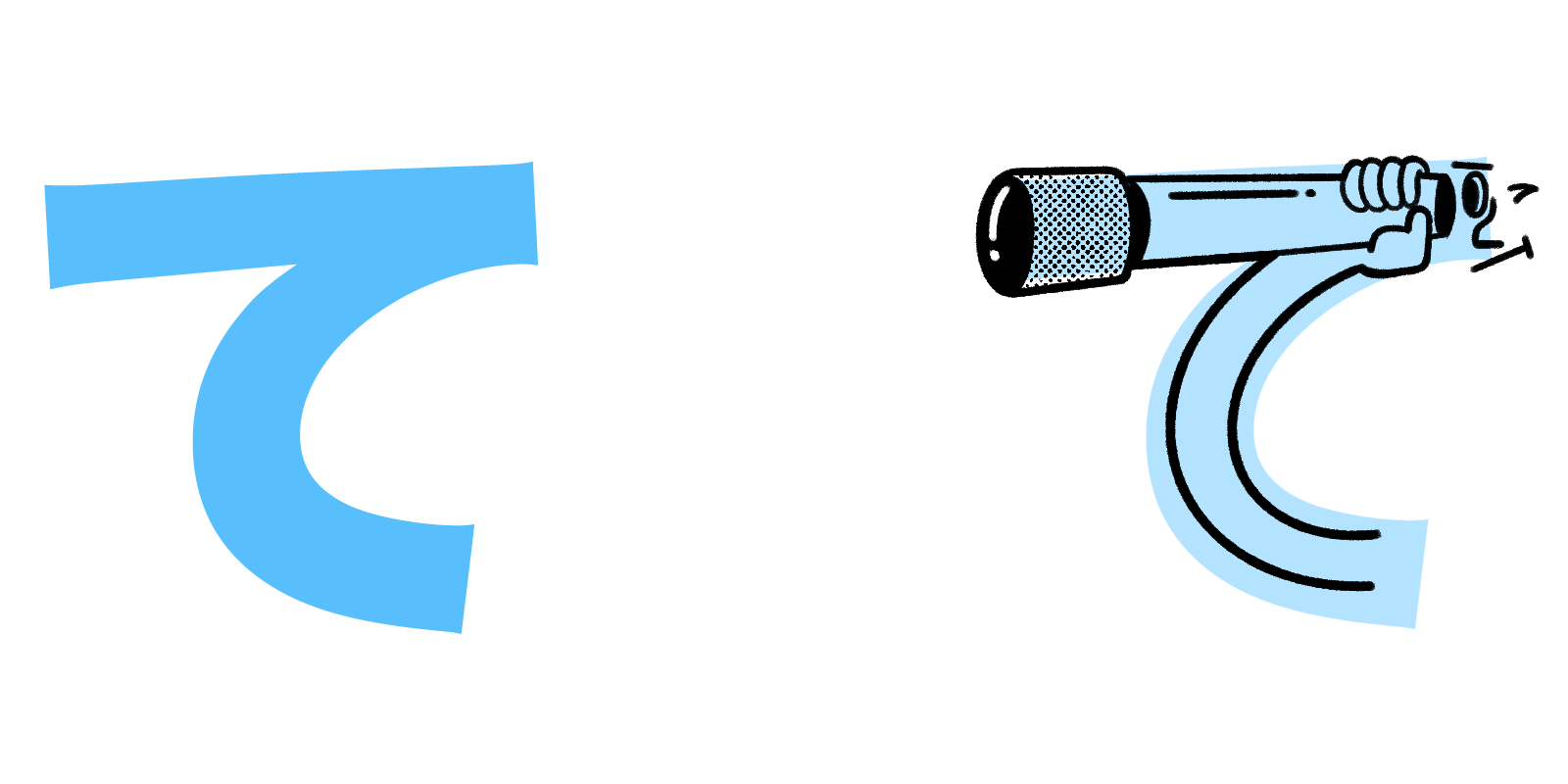
“te”, as in telescope. This one is also a whole word on its own: て means hand.
The one to memorise
Help me. The most useful sentence you can say with no grammar at all.
と — to
-
と
to
A toe with a splinter in it. Imagine how much that would hurt.
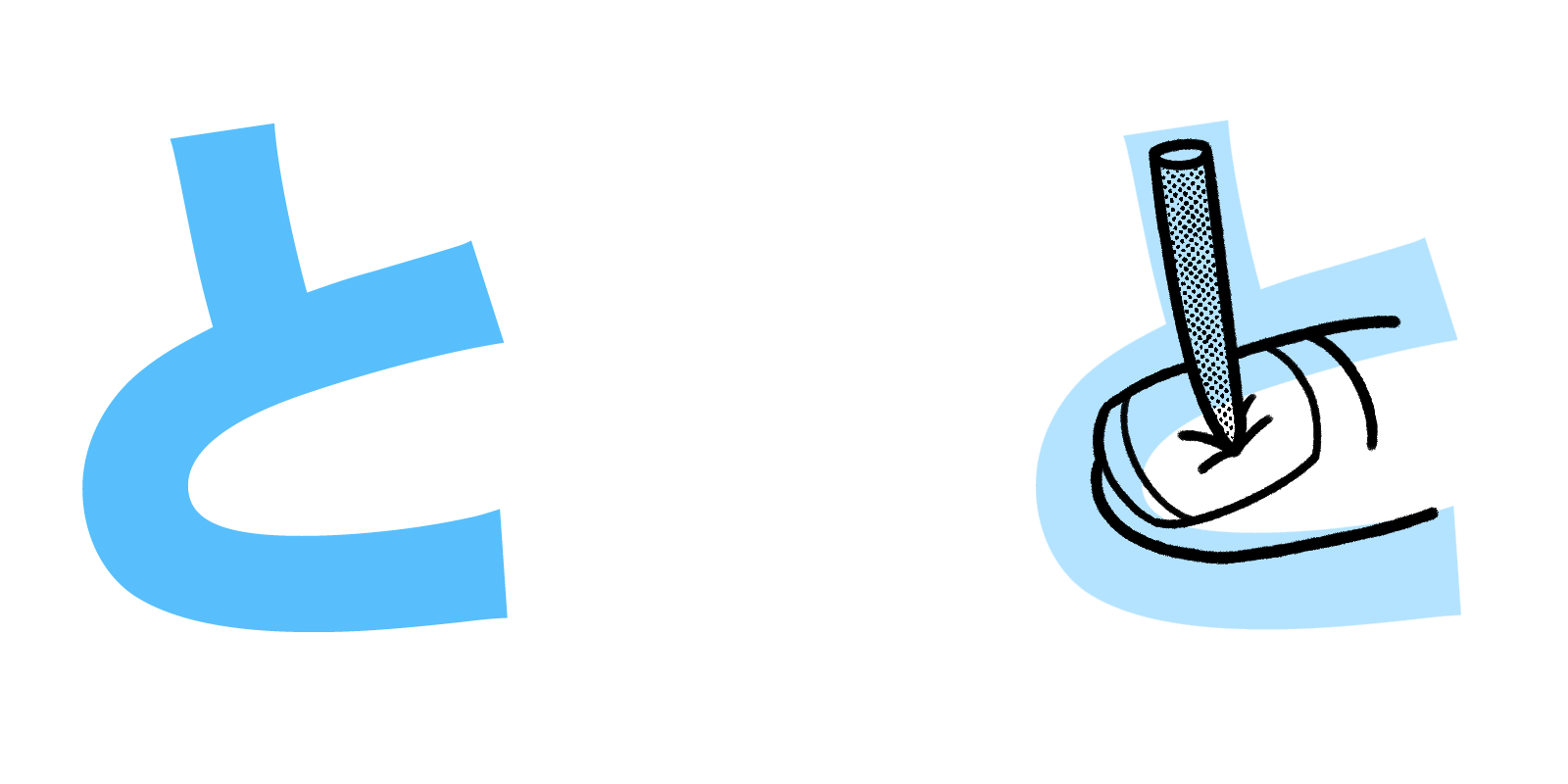
“to”, as in toe — or top, in British English. Last of the row: twenty characters, and the exceptions are behind you.
Time
A watch, or a clock.
The row together
Pair them up.
Read them cold
No options. The two exceptions are in here.
All twenty
Everything you can read, mixed.
Words
Twenty characters, and the vocabulary starts being useful.
Spell every word
Worth knowing
ちかてつ — subway. Four characters, and it is written on every metro sign in the country. Paired with えき from lesson 2, you can now find a subway station by reading rather than guessing.
たすけて is worth memorising as a sound, not as spelling practice. It means help me, it needs no grammar, and it is the one phrase where being slow to recall it matters.
The exceptions are now nearly done. し shi, ち chi, つ tsu — one more waits at ふ (fu, not hu), and that is the lot. Every other character in the chart says exactly what the grid predicts.