Lesson 5 · Hiragana
な に ぬ ね の
No exceptions in this row — but four of the five look like each other, and that is the work.
ぬ and ね are close cousins, and two more of the family (れ, わ) arrive later. Tofugu’s tell is the one to hold on to: ぬ is all curve, ね has corners.
Scroll
Warm up
All twenty so far.
な — na
-
な
na
A nun praying at the cross, craving nachos. The cross up in the air is the giveaway.
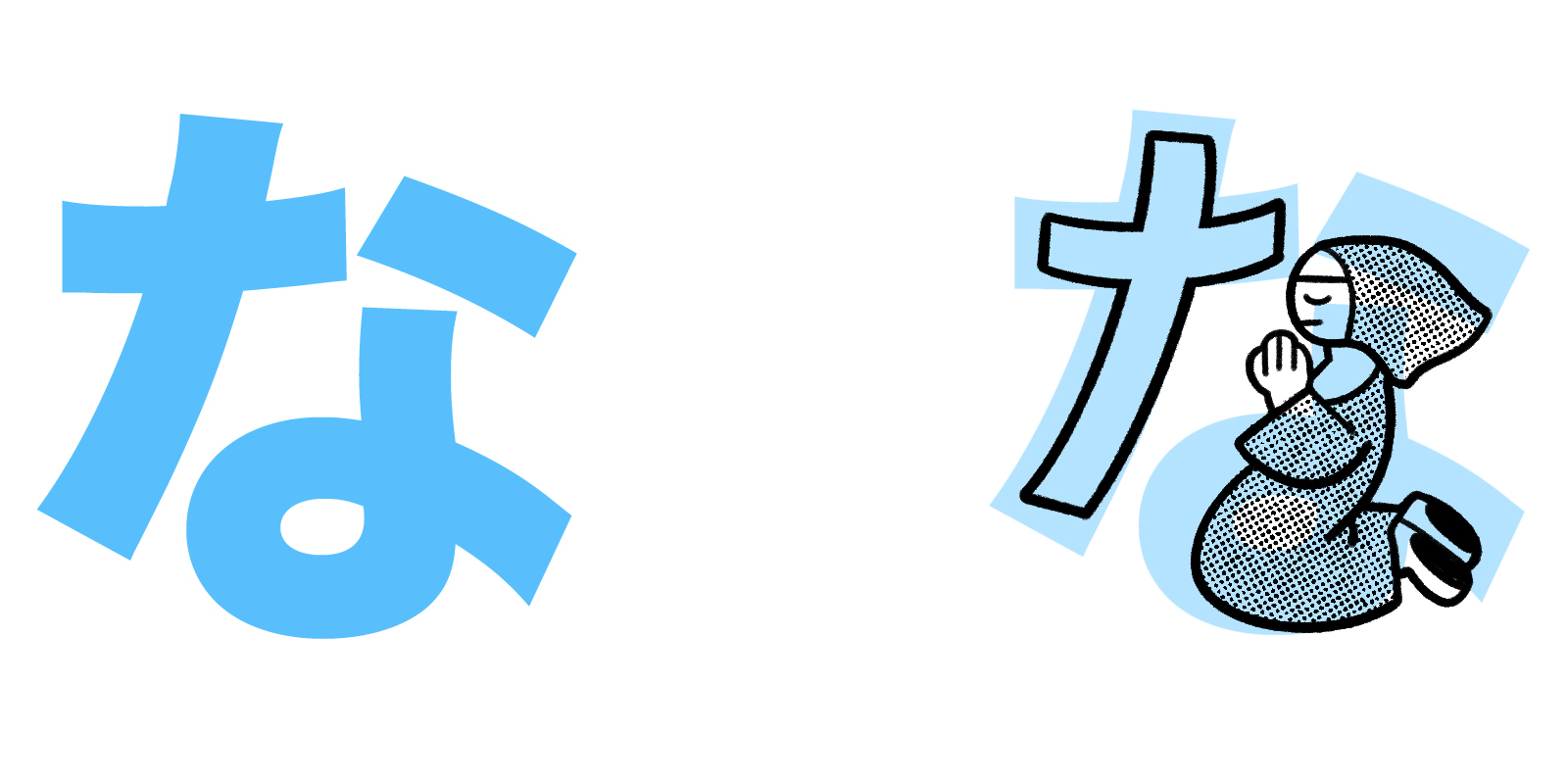
N before あ gives な. Like the “na” in nachos.
Fish
Fish. On every menu, and now yours to write.
に — ni
-
に
ni
A needle pulling thread.
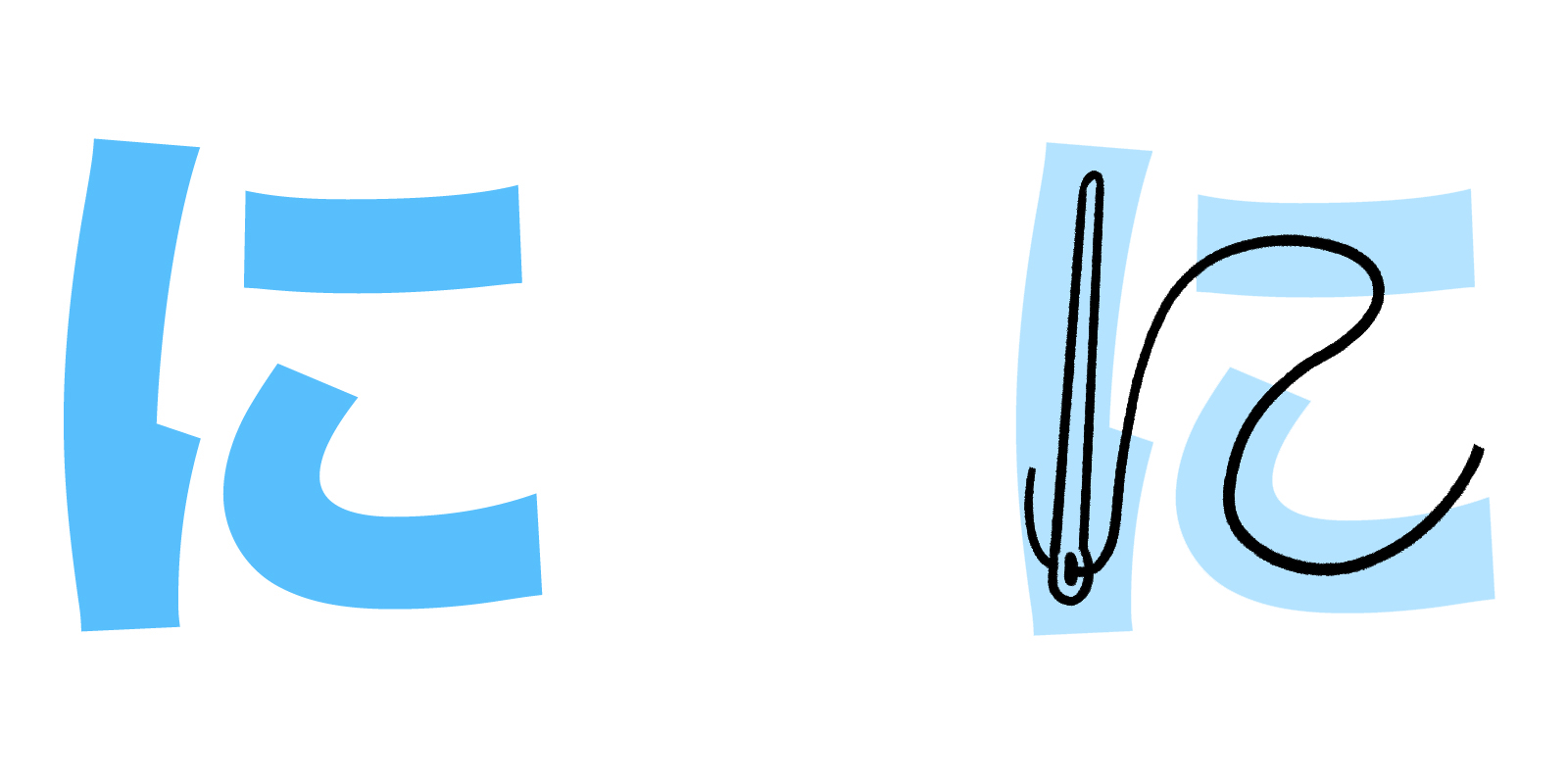
N before い gives に. Like the “nee” in needle.
Meat
Meat. The other half of the menu.
ぬ — nu
-
ぬ
nu
Noodles. You know it is this one and not ね because there are no sharp angles — it is all smooth and bendable, with an extra loop at the bottom.
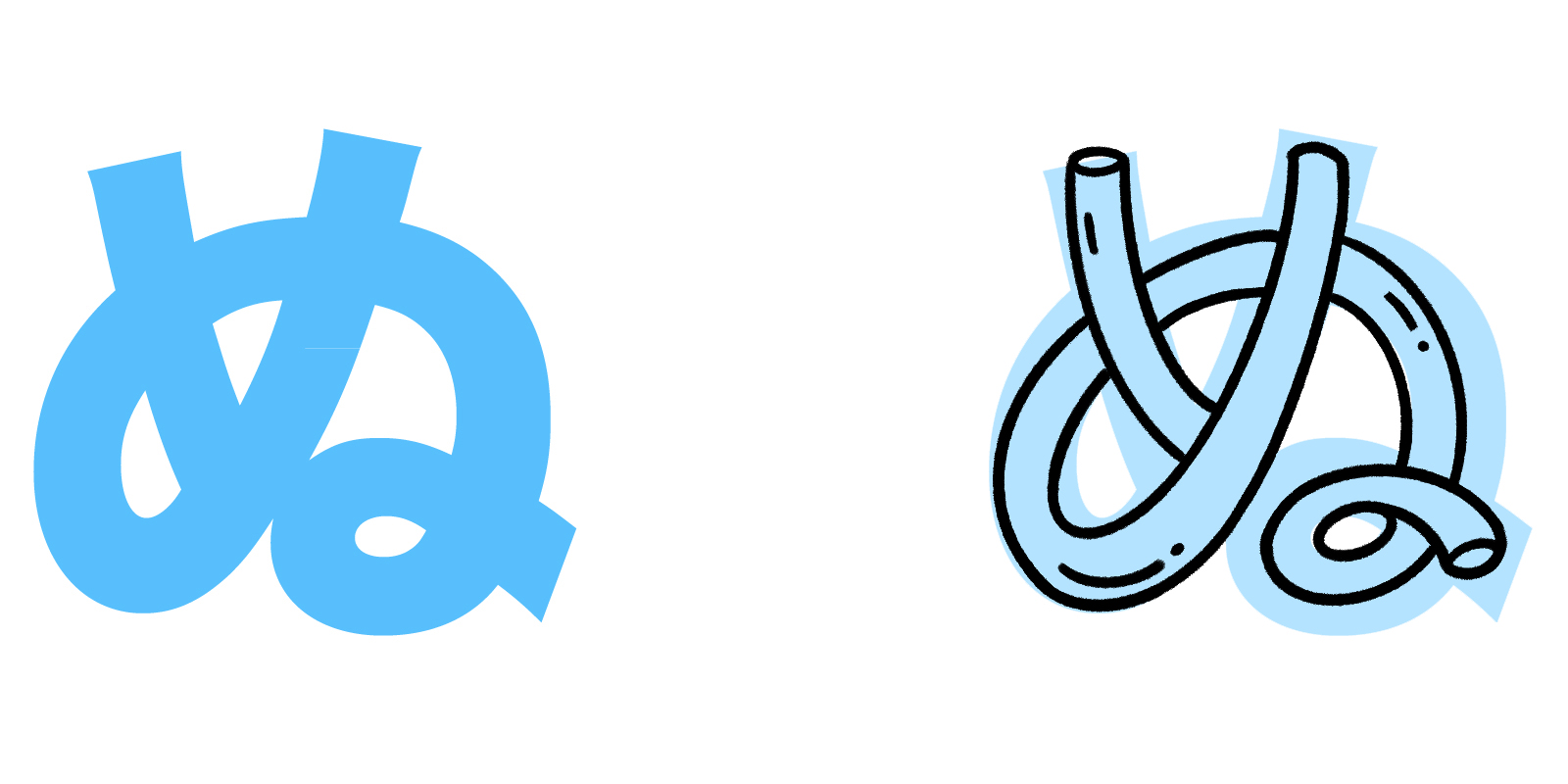
N before う gives ぬ. Like the “noo” in noodle.
Dog
Dog.
ね — ne
-
ね
ne
Nelly the cat — a loop at the end for the tail, and sharp corners on the left that ぬ does not have.
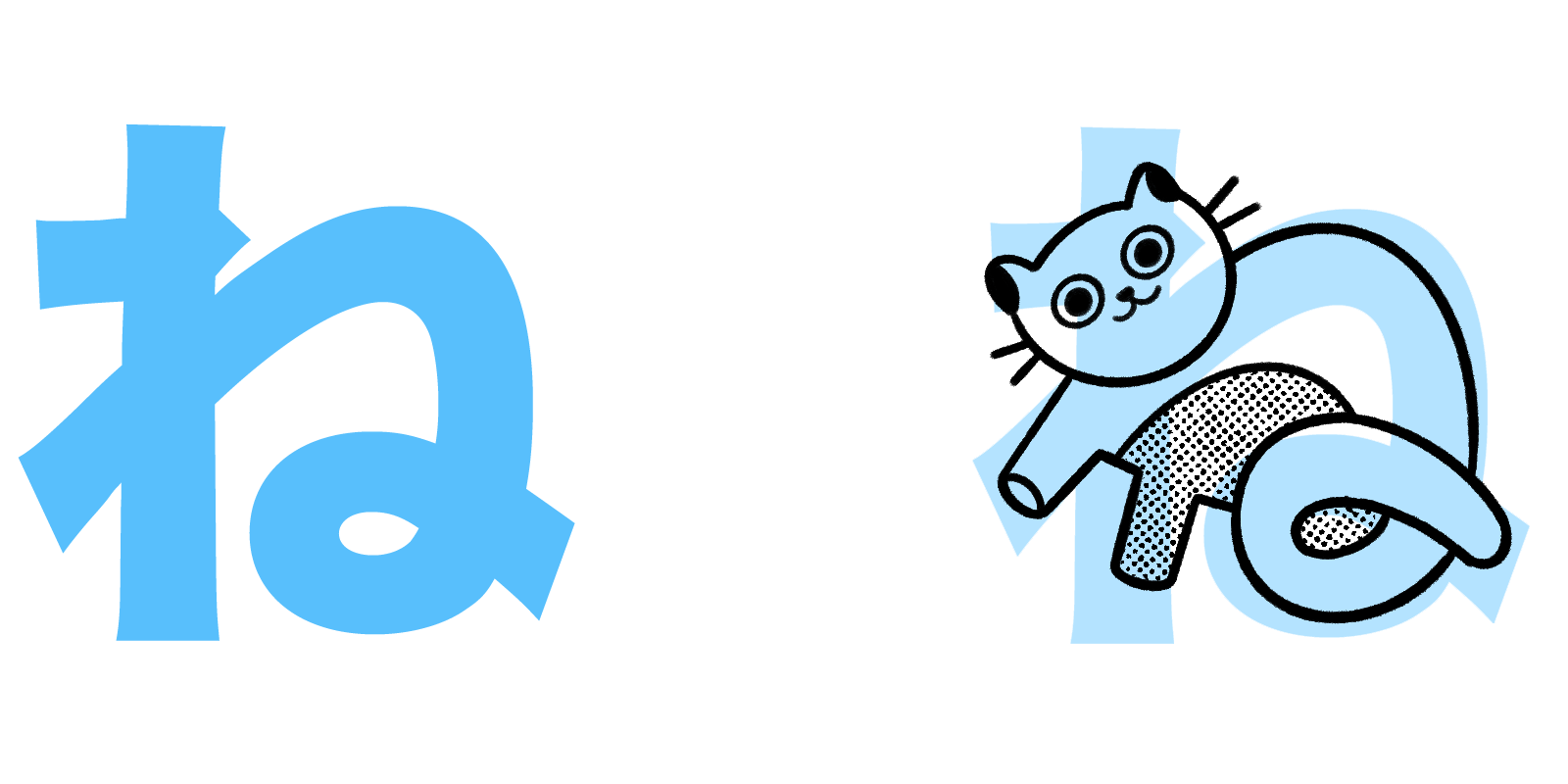
N before え gives ね. Like the “ne” in Nelly.
ぬ or ね
Noodles or the cat. ぬ is smooth all the way round; ね has sharp corners on the left and a loop for a tail.
Cat
Cat. Nelly, in word form.
の — no
-
の
no
A big pig nose. Or a No Smoking sign — take whichever sticks.
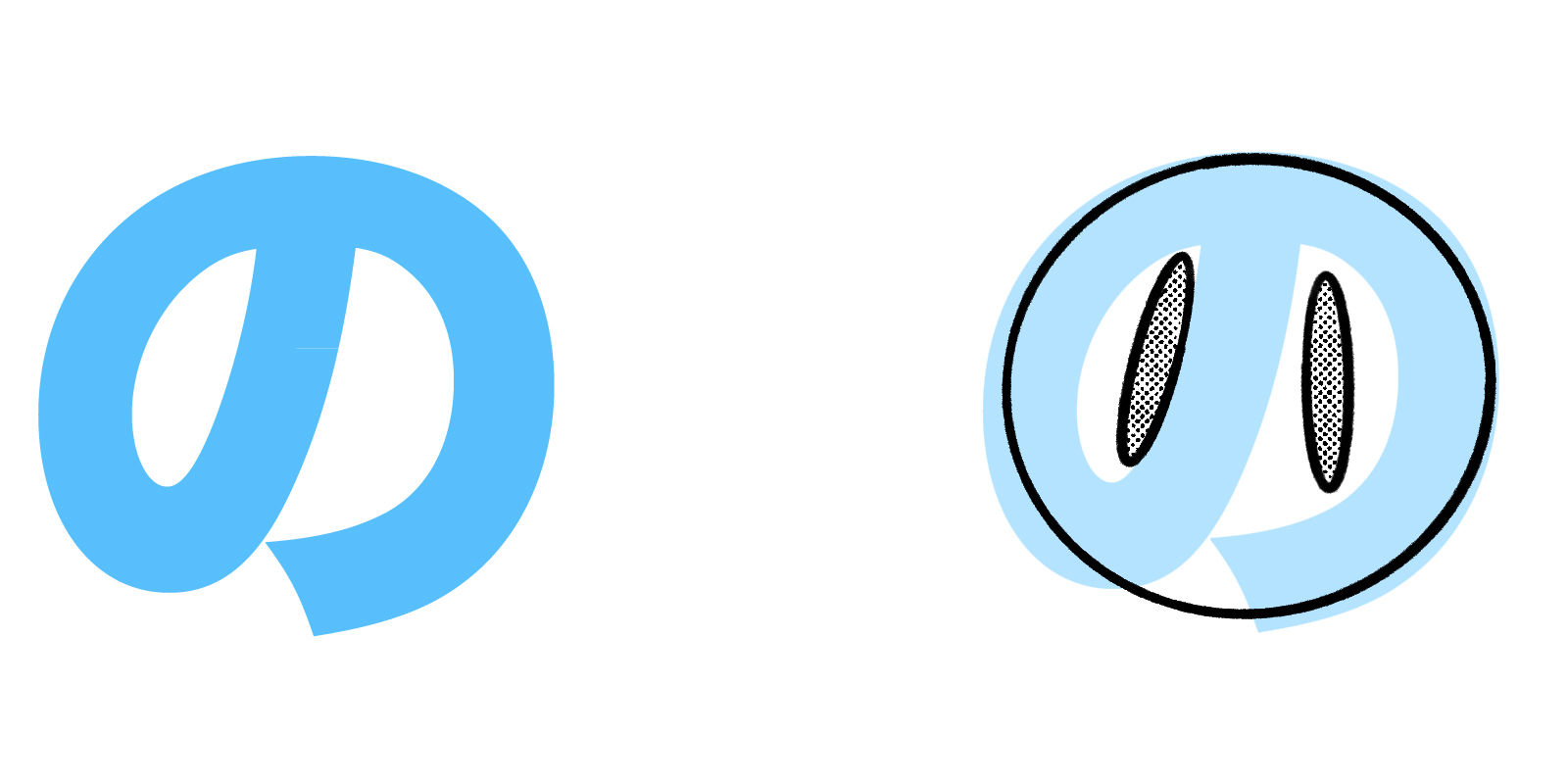
N before お gives の. Like the “no” in nose.
Mushroom
Mushroom.
The row together
Pair them up. All five at once, which is where the family resemblance bites.
Read them cold
No options.
All twenty-five
Words
Half of a menu is now readable.
Spell every word
Worth knowing
なに — what? On its own, with a rising tone, it is a complete question. Add これ later and you can point at a dish and ask what it is.
の is not only a character, it is the most common particle in the language: it joins two nouns and means roughly ’s. わたしのねこ — my cat. You cannot read わたし yet, but you can already see how the join works.
さかな and にく — fish and meat — are the two words that split most menus in half. With きのこ and たこ you can order or avoid four things by reading.