Lesson 9 · Hiragana
ら り る れ ろ
The last full row of five — and the sound English does not have.
This row is written r, but it is not an English R. It sits between the R and the L of road and load, made with a single flick of the tongue against the ridge behind your teeth — much closer to the D in ladder. Every clip in this lesson is worth playing twice.
Scroll
Warm up
Thirty-eight so far, twice each.
ら — ra
-
ら
ra
A rabbit standing and facing left. Look at those big droopy ears.
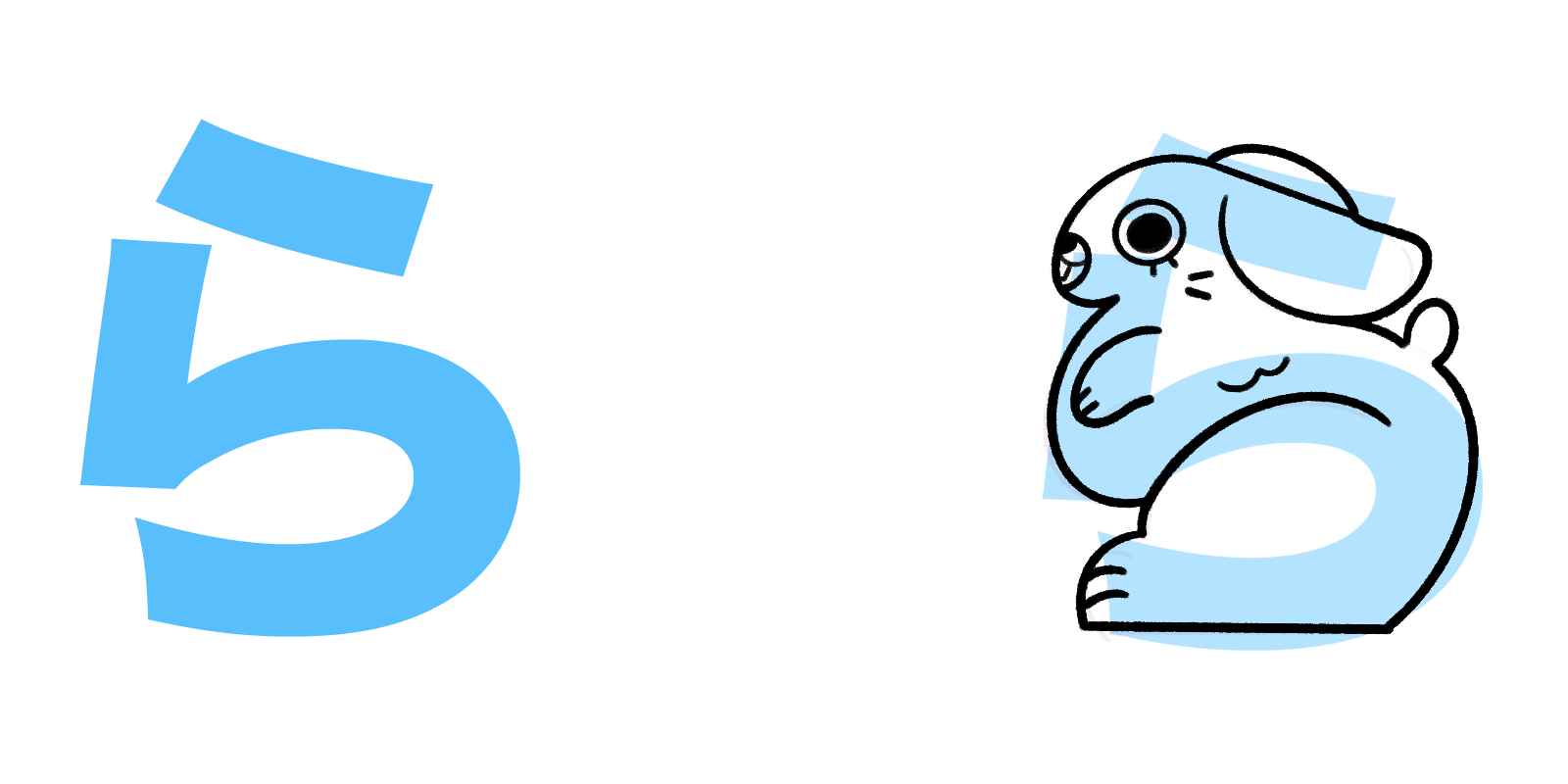
R before あ gives ら. Somewhere between the cheer rah rah and the song la la la — pick either and you will be understood.
Cherry blossom
Cherry blossom. The tree, the season, and the reason half of Japan is outdoors in April.
り — ri
-
り
ri
Two reeds swaying in the wind.
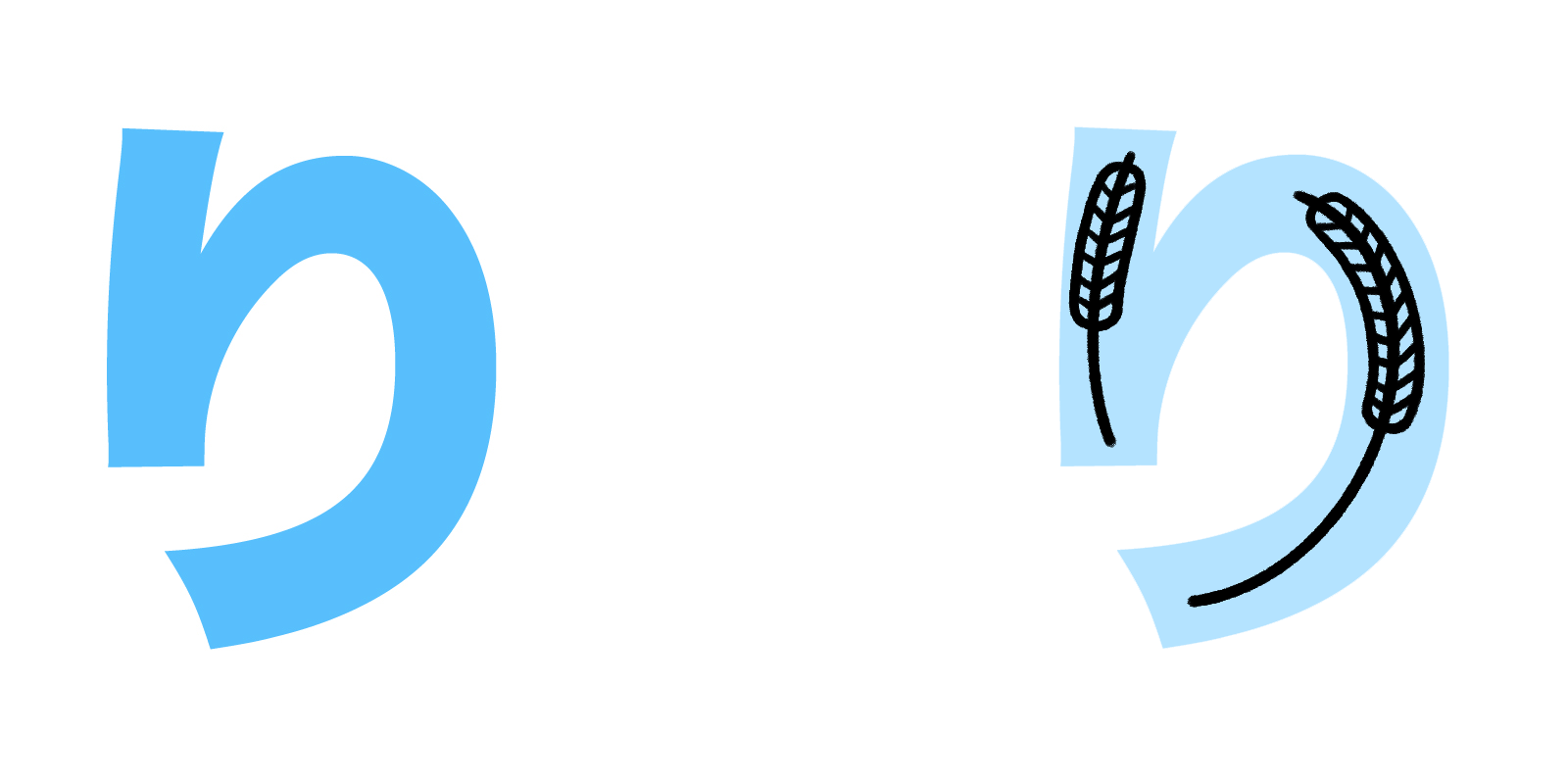
R before い gives り. Between reed and leek. Two strokes, and in some fonts they are joined — both are correct.
Bird
Bird. Also what you are eating if a menu says it and does not specify.
る — ru
-
る
ru
A crazier route — it has a loop at the end.
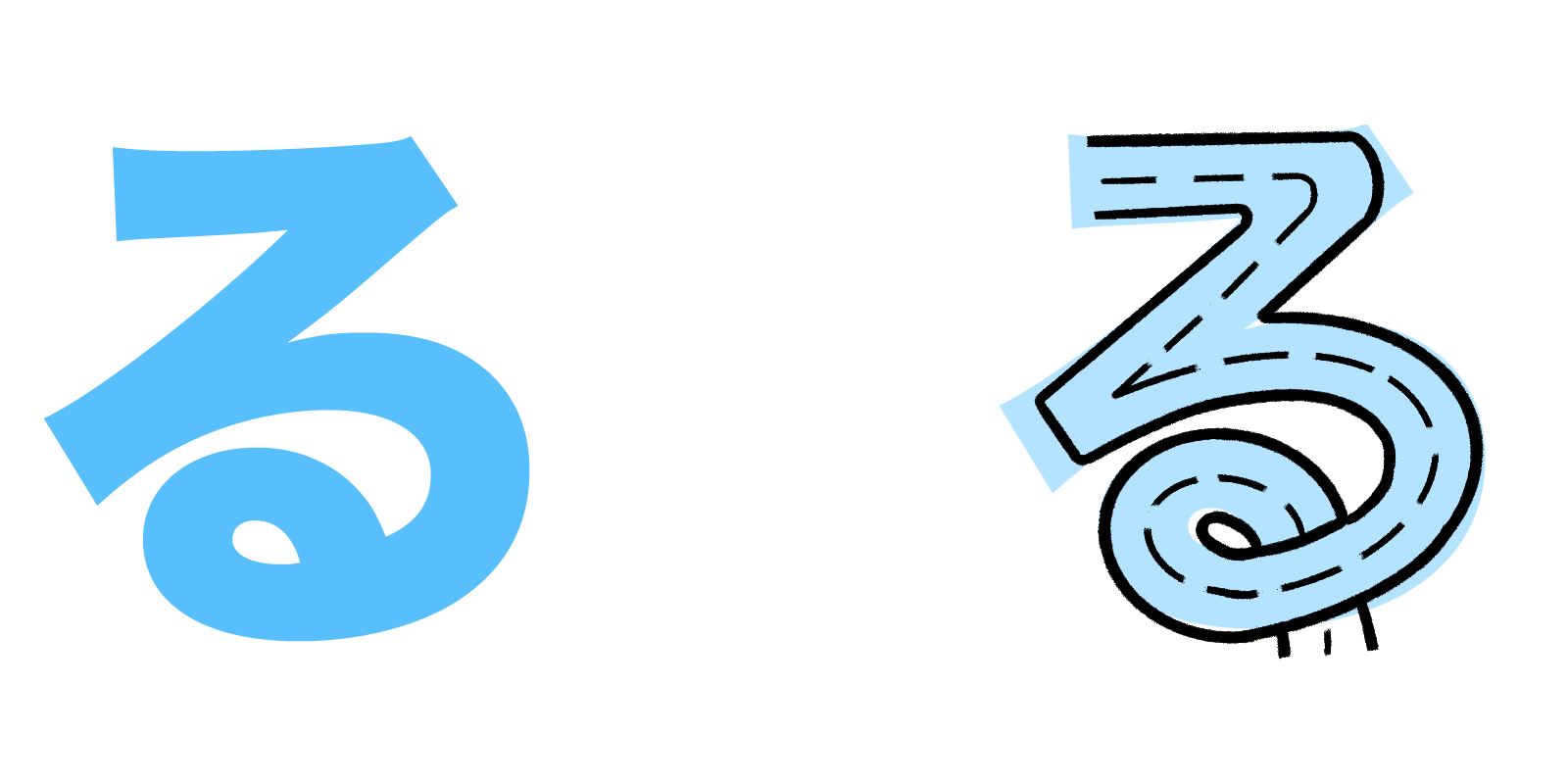
R before う gives る. Between route and loop. The loop at the bottom is the whole character — remember it, because the next one is this without the loop.
Car
A car. Three characters, and the last two are the row you are learning meeting the one before it.
れ — re
-
れ
re
A man kneeling on the ground, retching up his dinner.
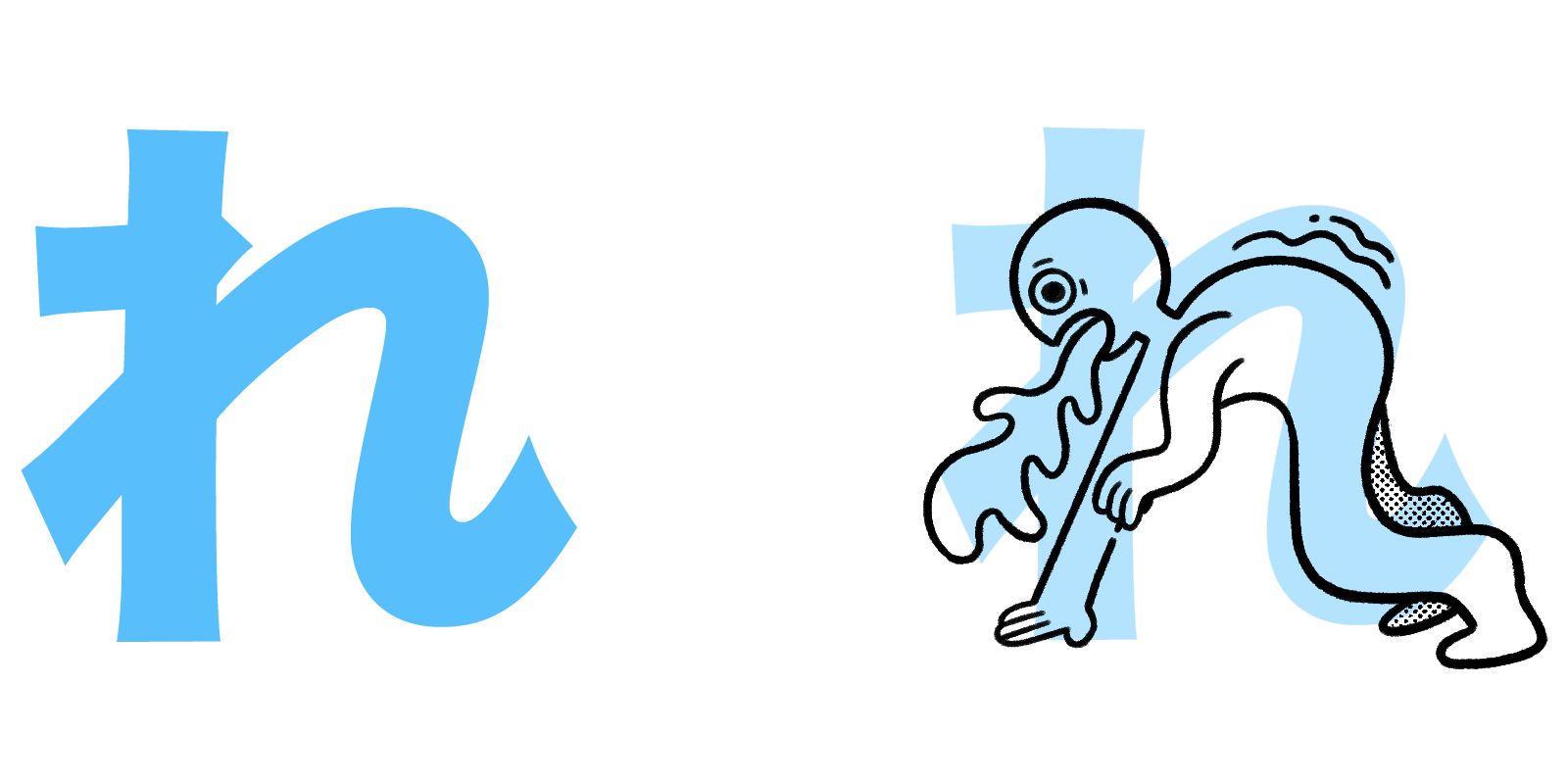
R before え gives れ. Between retch and led. Same left-hand upright as ね — the difference is the tail: れ flicks out, ね loops.
This one
This one — said while pointing. With a menu and a finger it is a complete order.
ろ — ro
-
ろ
ro
The counterpart to る, with no loop at the end. A plain old road.

R before お gives ろ. Between road and load. Loop for る, no loop for ろ.
The bath
The bath — the deep soaking kind, filled once and shared. Not the place you wash.
る or ろ
One loop apart. Play it, then pick.
The row together
Five pairs.
Read them cold
All forty-three
Twice each.
Words
Every one unique. The r row is in a great many of them.
Spell every word
Worth knowing
The R sound is the one thing in hiragana that takes a mouth rather than a memory. English has two sounds where Japanese has one, and neither of them is it: the tongue taps the ridge behind your teeth once, quickly, without the lips rounding as they do for an English R. If you say ladder and pay attention to the D, you have already made the sound.
Two pairs to keep apart. る and ろ differ by the loop at the end. れ and ね share their left upright, and differ by the tail — れ flicks away, ね curls back on itself. Both pairs come up constantly, which is the good news: you will get the practice whether you plan it or not.
Also: みる, する, のる, つくる. Japanese verbs in their plain form nearly all end in う-row kana, and a great many end in る. That pattern is most of what a dictionary form looks like, and you can now read it.
Three to go: わ を ん.